WANT TO SAVE THIS RECIPE?
Warm up your kitchen with my Roasted Pumpkin Sage Soup, a hearty and flavorful meal that celebrates fall. This simple yet delicious recipe combines fresh pumpkin, savory sage, and rich coconut milk for a cozy dish. Whether you’re hosting friends or enjoying a quiet night at home, this soup is sure to warm your soul. Let’s dive into the ingredients and steps to create this tasty bowl of comfort!
Why I Love This Recipe
- Comforting Flavor: This roasted pumpkin sage soup is a warm hug in a bowl, perfect for chilly fall evenings.
- Easy to Make: The recipe requires minimal prep and cooking time, making it perfect for busy weeknights.
- Healthy Ingredients: Packed with nutritious pumpkin and herbs, this soup is both wholesome and satisfying.
- Customizable: Feel free to add your favorite spices or toppings to make this soup uniquely yours!
Ingredients
Main Ingredients
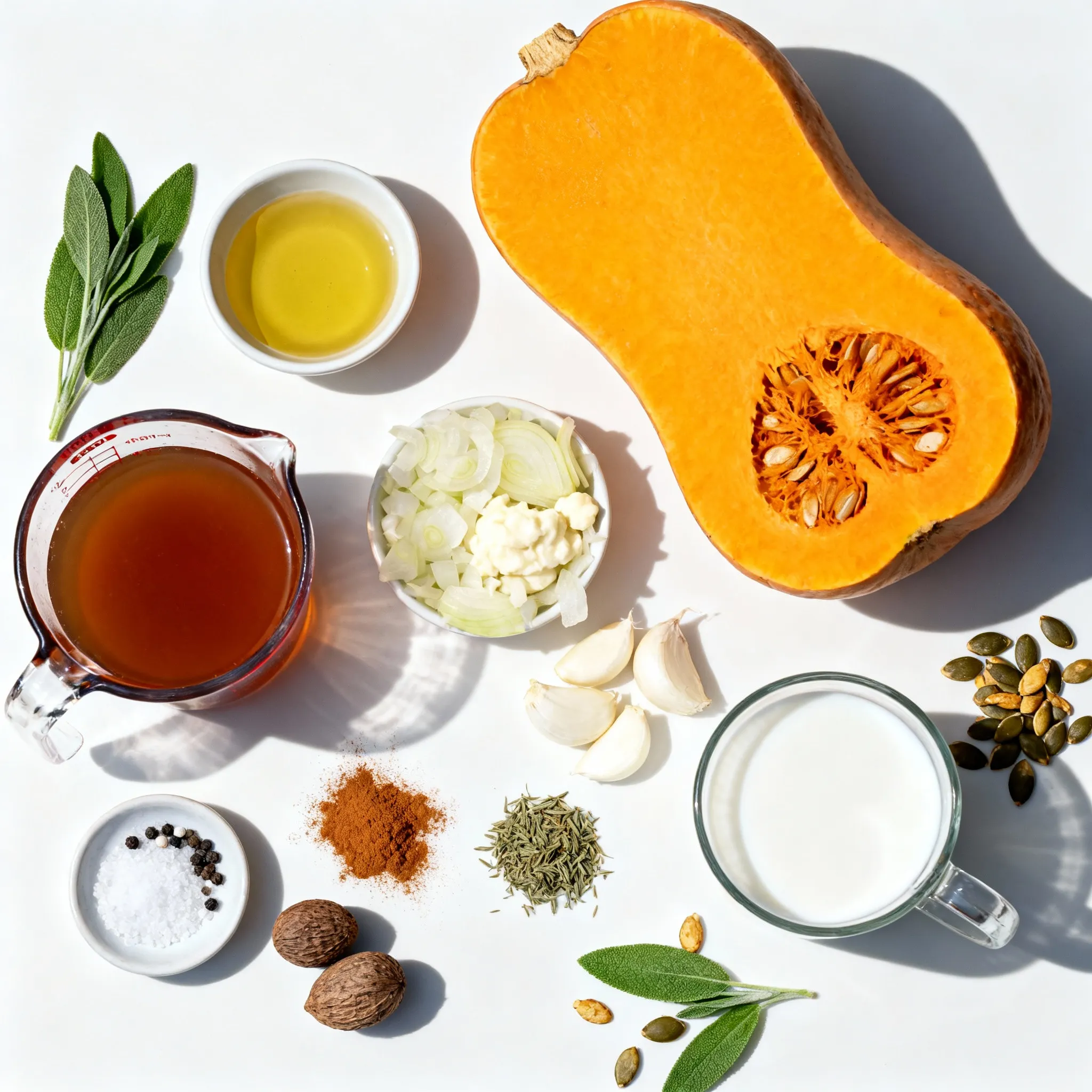
– 1 medium pumpkin (approximately 3-4 lbs), halved and seeds removed
– 2 tablespoons olive oil, divided
– 1 medium onion, chopped
– 3 cloves garlic, minced
The star of this dish is, of course, the pumpkin. It brings a sweet, earthy flavor. I love using a medium-sized pumpkin. It’s just the right amount for a cozy soup. Olive oil adds richness and helps to roast the pumpkin nicely. The onion and garlic add depth and warmth to the soup.
Spices and Seasonings
– 1 teaspoon dried sage or a handful of fresh sage leaves, chopped
– 1 teaspoon ground cinnamon
– 1/2 teaspoon ground nutmeg
– Salt and pepper, to taste
Sage is key to this soup. It gives a lovely, herbaceous note. I like to use fresh sage when I can. Ground cinnamon and nutmeg add warmth. They enhance the pumpkin’s natural sweetness. Salt and pepper round out the flavors, so don’t skip them!
Additional Ingredients
– 4 cups vegetable broth
– 1 cup coconut milk (for added creaminess)
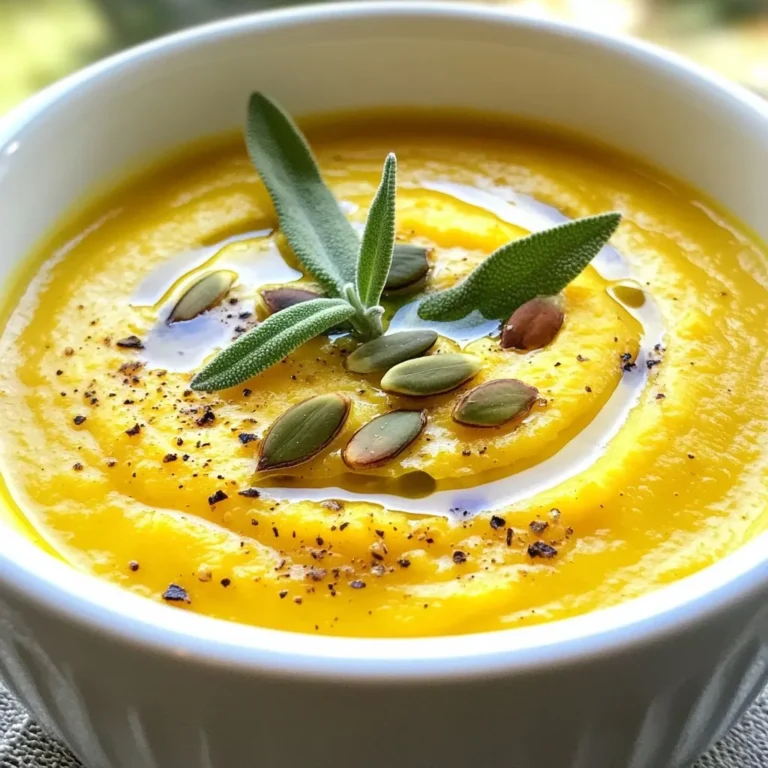
– Optional garnishes: toasted pumpkin seeds, fresh sage leaves, or a drizzle of high-quality olive oil
Vegetable broth adds body to the soup. It keeps the dish light but hearty. Coconut milk gives a creamy texture without dairy. For garnishes, I love toasted pumpkin seeds for crunch. A drizzle of olive oil adds richness. Fresh sage leaves can brighten the dish, too.

Step-by-Step Instructions
Preparing the Pumpkin
First, preheat your oven to 400°F (200°C). This step is key for roasting the pumpkin. While the oven heats, prepare the pumpkin. Brush the cut sides with 1 tablespoon of olive oil. Sprinkle salt on the flesh for flavor. Place the pumpkin halves cut-side down on a lined baking sheet. Roast them in the oven for 40-50 minutes. You’ll know they’re done when a fork easily pierces the flesh.
After roasting, take the pumpkin out of the oven. Let it cool for a few minutes. Then, scoop out the soft flesh with a spoon. Discard the skin and set the pumpkin flesh aside for later.
Cooking the Soup Base
Now, let’s make the soup base. In a large pot, heat the remaining 1 tablespoon of olive oil over medium heat. Add the chopped onion and sauté for about 5-7 minutes. You want the onion to soften and turn translucent. Next, add the minced garlic to the pot. Sauté for about one minute until the garlic smells fragrant.
Once the onion and garlic are ready, add the reserved roasted pumpkin flesh to the pot. Pour in 4 cups of vegetable broth. Add the sage, ground cinnamon, ground nutmeg, salt, and pepper. Stir everything well to combine. Increase the heat to bring the mixture to a boil. After it boils, reduce the heat to low and let it simmer for 15 minutes. This helps the flavors mix beautifully.
Blending and Finishing
It’s time to blend the soup! Use an immersion blender to blend until smooth. If you don’t have one, carefully transfer the soup to a standard blender. Blend it in batches until smooth and return it to the pot.
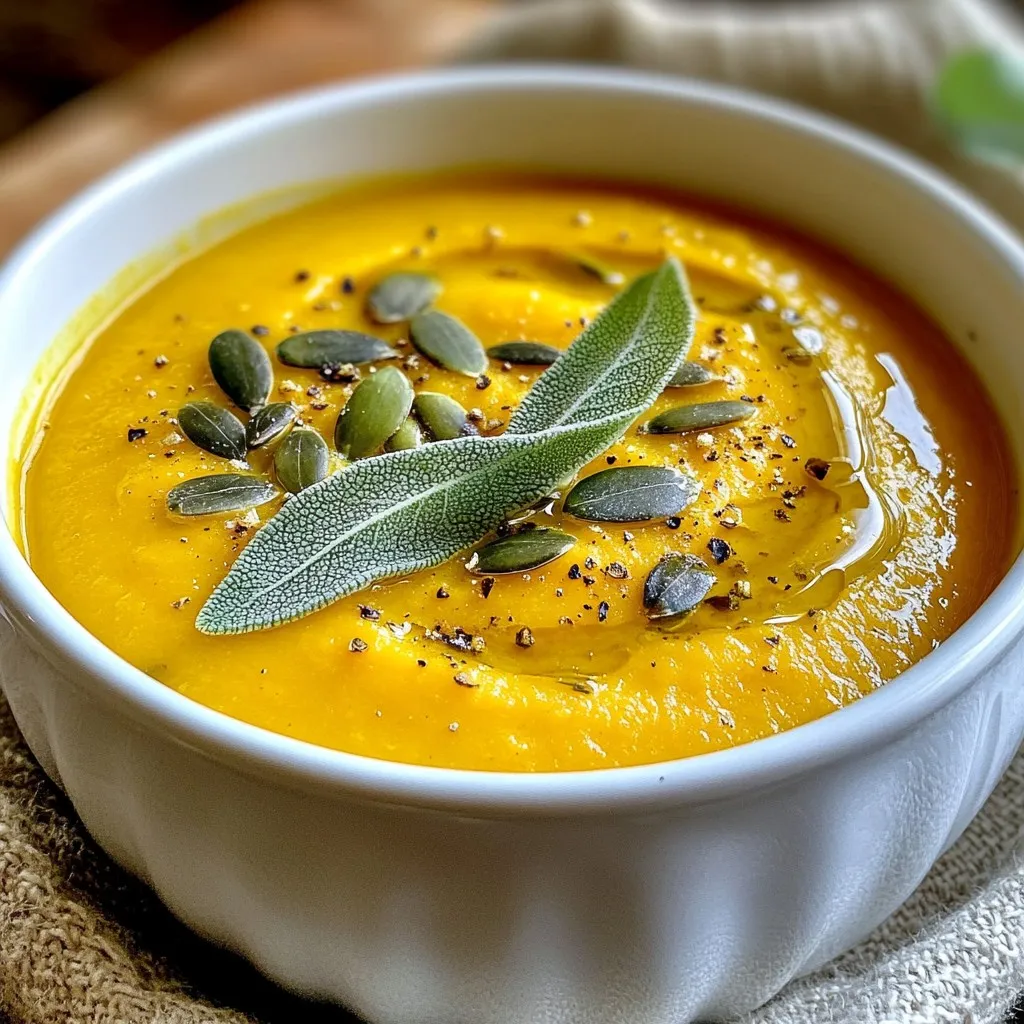
Finally, stir in 1 cup of coconut milk. Heat the soup over low heat for about 5 minutes. Taste the soup and adjust the seasoning if needed. If you want, you can add more salt, pepper, or spices. Serve the soup hot with optional garnishes like toasted pumpkin seeds, fresh sage leaves, or a drizzle of olive oil. Enjoy your hearty and flavorful meal!
Tips & Tricks
Achieving the Best Flavor
Roasting pumpkin brings out its natural sweetness. This step adds depth to your soup. You should always roast pumpkin before making this dish. The heat caramelizes the sugars. This creates a rich, warm flavor that shines through.
Using fresh herbs makes a big difference. Fresh sage gives a bright taste that dried sage can’t match. If you use dried sage, remember to use less since it is more potent. A handful of fresh leaves works best.
Blending Techniques
You have two great options for blending your soup. An immersion blender is easy and quick. You can blend right in the pot, which saves time on cleanup. Just be careful to avoid splashes!
A standard blender gives a smooth texture too. If you choose this method, blend in batches. Make sure the soup is cool enough to avoid burns. Return the soup to the pot after blending.
Serving Suggestions
Garnishes can make your soup shine. Toasted pumpkin seeds add a nice crunch. Fresh sage leaves on top bring freshness. A drizzle of high-quality olive oil adds richness. You can also serve the soup with crusty bread for a hearty meal.
Pro Tips
- Choose the Right Pumpkin: For the best flavor and texture, select a sugar pumpkin or pie pumpkin, as they are sweeter and have a smoother flesh compared to larger carving pumpkins.
- Enhance the Flavor: Roasting the pumpkin brings out its natural sweetness. You can also roast the garlic cloves alongside the pumpkin for added depth in flavor.
- Adjust the Creaminess: If you prefer a richer soup, feel free to increase the amount of coconut milk or add a splash of heavy cream for an extra decadent finish.
- Storage Tips: This soup can be stored in the refrigerator for up to 5 days or frozen for up to 3 months. Just reheat gently on the stove before serving.

Variations
Ingredient Substitutions
For those who want to change things up, consider these swaps:
– Alternative sweeteners: Instead of adding sugar, try maple syrup or honey for a natural touch. Both sweeteners add unique flavors to the soup.
– Dairy-free options: Use almond milk or oat milk instead of coconut milk. This keeps the soup creamy without dairy. You can also skip the milk for a lighter version.
Flavor Enhancements
To make the soup even more exciting, think about these options:
– Adding spices like cumin or ginger: A pinch of cumin gives a warm, earthy taste. Ginger adds a nice zing and fresh aroma.
– Experimenting with different broths: Swap vegetable broth for chicken broth or mushroom broth. Each broth brings its own flavor, making the soup unique.
Textural Modifications
You can also adjust the soup’s texture to suit your taste:
– Chunky version vs smooth soup: If you like chunks, don’t blend all the soup. Leave some pumpkin pieces for a hearty feel. For a smooth soup, blend until velvety. Adjust blending time to get your desired texture.
Storage Info
Refrigeration Guidelines
Store your leftover soup in a sealed container. It helps keep the soup fresh. Place it in the fridge within two hours of cooking. This soup stays good for about three to four days. Make sure to stir before serving again. It may thicken in the fridge, so feel free to add a splash of broth or water.
Freezing Instructions
You can freeze Roasted Pumpkin Sage Soup for later use. Allow the soup to cool completely, then transfer it to freezer-safe containers. Leave some space at the top for expansion. It will freeze well for up to three months. To reheat, thaw it in the fridge overnight. Then, warm it on the stove over low heat. Stir often until hot. You can also use a microwave, but stir halfway to heat evenly.
Shelf Life
For the best taste, eat the soup within a week. If you notice any off-smells or colors, it’s best to discard it. When you freeze the soup, label the containers with the date. This way, you know how long it has been stored. Always check for signs of spoilage before eating leftovers. Enjoy your delicious soup while it’s fresh!
FAQs
Can I use canned pumpkin instead of fresh?
Yes, you can use canned pumpkin. It saves time and is easy to use. Here are steps for using canned pumpkin:
– Choose a can of pure pumpkin, not pumpkin pie filling.
– Measure 2 cups of canned pumpkin to replace the fresh pumpkin.
– Skip the roasting step since it is already cooked.
– Add the canned pumpkin directly to the pot after sautéing the onions and garlic.
– Stir in the vegetable broth and spices as usual.
How long does Roasted Pumpkin Sage Soup last in the fridge?
Roasted Pumpkin Sage Soup lasts about 4 to 5 days in the fridge. To store it properly:
– Let the soup cool down to room temperature.
– Pour it into an airtight container.
– Label with the date so you can track freshness.
– Always reheat it over low heat, stirring well before serving.
Is this soup gluten-free?
Yes, this soup is gluten-free. The ingredients used, such as pumpkin, vegetable broth, and coconut milk, contain no gluten. Just be sure that the vegetable broth you choose is labeled gluten-free. This way, you can enjoy this meal without worry.
This blog post covers how to make a delicious Roasted Pumpkin Sage Soup. We explored the main ingredients, like pumpkin and olive oil, along with spices that add warmth. You learned step-by-step instructions for preparing, cooking, and blending the soup. Tips for the best flavor and serving ideas are also included. Remember, experimenting with variations can create a unique dish. Proper storage information helps you keep leftovers fresh. Enjoy this simple, tasty soup that adds comfort to any mea
Roasted Pumpkin Sage Soup
A creamy and flavorful soup made from roasted pumpkin and fresh sage, perfect for fall.
Prep Time 15 minutes mins
Cook Time 55 minutes mins
Total Time 1 hour hr 10 minutes mins
Course Main Course
Cuisine American
Servings 4
Calories 250 kcal
- 1 medium pumpkin (approximately 3-4 lbs), halved and seeds removed
- 2 tablespoons olive oil, divided
- 1 medium onion, chopped
- 3 cloves garlic, minced
- 4 cups vegetable broth
- 1 teaspoon dried sage or a handful of fresh sage leaves, chopped
- 1 teaspoon ground cinnamon
- 0.5 teaspoon ground nutmeg
- to taste salt and pepper
- 1 cup coconut milk (for added creaminess)
- optional garnishes: toasted pumpkin seeds, fresh sage leaves, or a drizzle of high-quality olive oil
Preheat your oven to 400°F (200°C).
Prepare the pumpkin by brushing the cut sides with 1 tablespoon of olive oil and sprinkling with salt. Place the pumpkin halves cut-side down on a baking sheet lined with parchment paper. Roast in the preheated oven for 40-50 minutes, or until the flesh is tender when pierced with a fork.
After roasting, remove the pumpkin from the oven and allow it to cool for a few minutes. Scoop out the soft flesh with a spoon and discard the skin. Set the pumpkin flesh aside.
In a large pot, heat the remaining 1 tablespoon of olive oil over medium heat. Add the chopped onion and sauté for about 5-7 minutes, or until it becomes softened and translucent.
Incorporate the minced garlic into the pot and sauté for an additional minute until the garlic is fragrant and lightly golden.
Add the reserved roasted pumpkin flesh to the pot, along with the vegetable broth, sage, ground cinnamon, ground nutmeg, salt, and freshly ground black pepper. Stir well to combine. Increase the heat to bring the mixture to a boil, then reduce the heat to low and let it simmer for 15 minutes to allow the flavors to meld.
Using an immersion blender, blend the soup until it reaches a velvety smooth consistency. If you don’t have an immersion blender, carefully transfer the soup in batches to a standard blender, blend until smooth, and return it to the pot.
Stir in the coconut milk and gently heat the soup over low heat for an additional 5 minutes. Taste and adjust the seasoning with more salt, pepper, or spices if needed.
Serve the soup hot, garnished with optional toppings such as toasted pumpkin seeds, fresh sage leaves, or a drizzle of olive oil for extra richness.
For a richer flavor, use fresh sage leaves and high-quality olive oil.
Keyword fall, pumpkin, soup, vegan
WANT TO SAVE THIS RECIPE?